
Last Updated: September 16, 2025
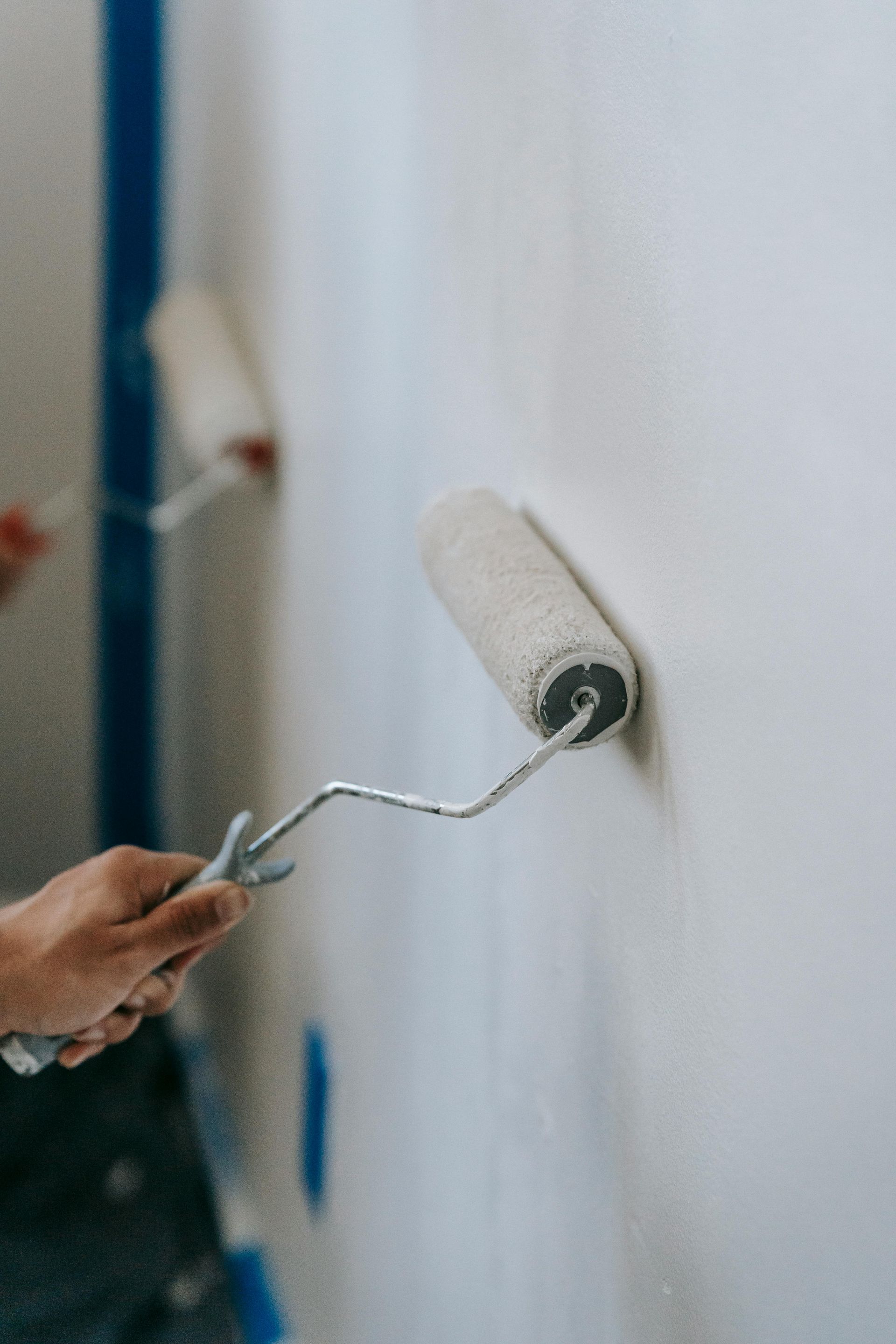
A fresh coat of paint seems simple. Pick a color, roll it on, done.
But the difference between a paint job that looks great for years and one that starts failing in months usually comes down to a few avoidable mistakes. And most of them happen before the first coat even goes on.
Skipping or Rushing Prep
This is the number one reason paint jobs fail.
Paint does not hide imperfections. It actually makes them more noticeable. Every dent, patch, rough edge, or uneven surface becomes more visible once fresh paint goes on.
Proper prep means cleaning, sanding, filling holes, smoothing surfaces, and sometimes priming. It takes time, and it’s not the exciting part, which is why it gets skipped or rushed.
When prep is done right, the final result looks smooth, even, and intentional. When it’s not, the finish can look wavy, patchy, or inconsistent no matter how expensive the paint is.
Choosing the Cheapest Option
Everyone wants a good deal, but painting is one of those areas where price usually reflects process.
Lower-priced bids often mean less prep, fewer coats, or lower-quality materials. It might look fine at first, but within a year or two you may start to see peeling, fading, or uneven wear.
A properly done paint job should last. Not just look good for a few months.
Picking the Wrong Sheen
Sheen affects both appearance and function, and it’s something a lot of homeowners overlook.
- A higher sheen like semi-gloss reflects more light. That makes it easier to clean, but it also highlights every imperfection in the wall.
- A flat or matte finish hides imperfections better but can be harder to clean in high-traffic areas.
The right choice depends on the space. Living rooms, kitchens, bathrooms, and trim all require different considerations. There’s no one-size-fits-all answer.
Relying on Tiny Paint Samples
Looking at a small swatch or paint chip is one of the easiest ways to end up with the wrong color.
Color changes dramatically depending on lighting, surrounding materials, and even the time of day. What looks like a soft neutral in the store can feel too dark, too yellow, or too cool once it’s on your wall.
Testing larger samples on your actual walls is the only way to see how it will truly look in your space.
Underestimating Time and Process
Painting is often treated like a quick weekend project, but a quality finish takes time.
Dry time between coats matters. Cure time matters. Rushing either can lead to issues with adhesion and durability.
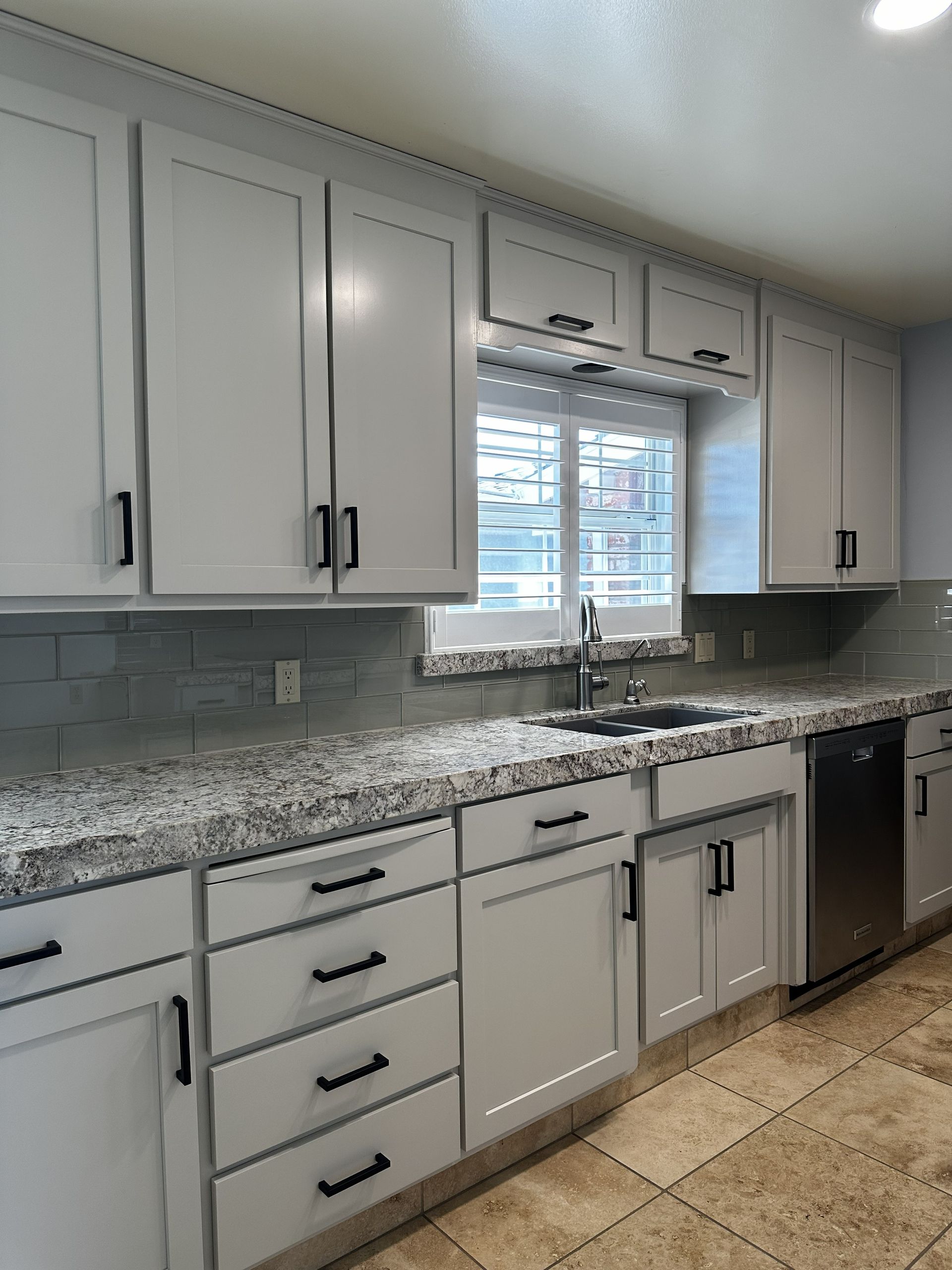
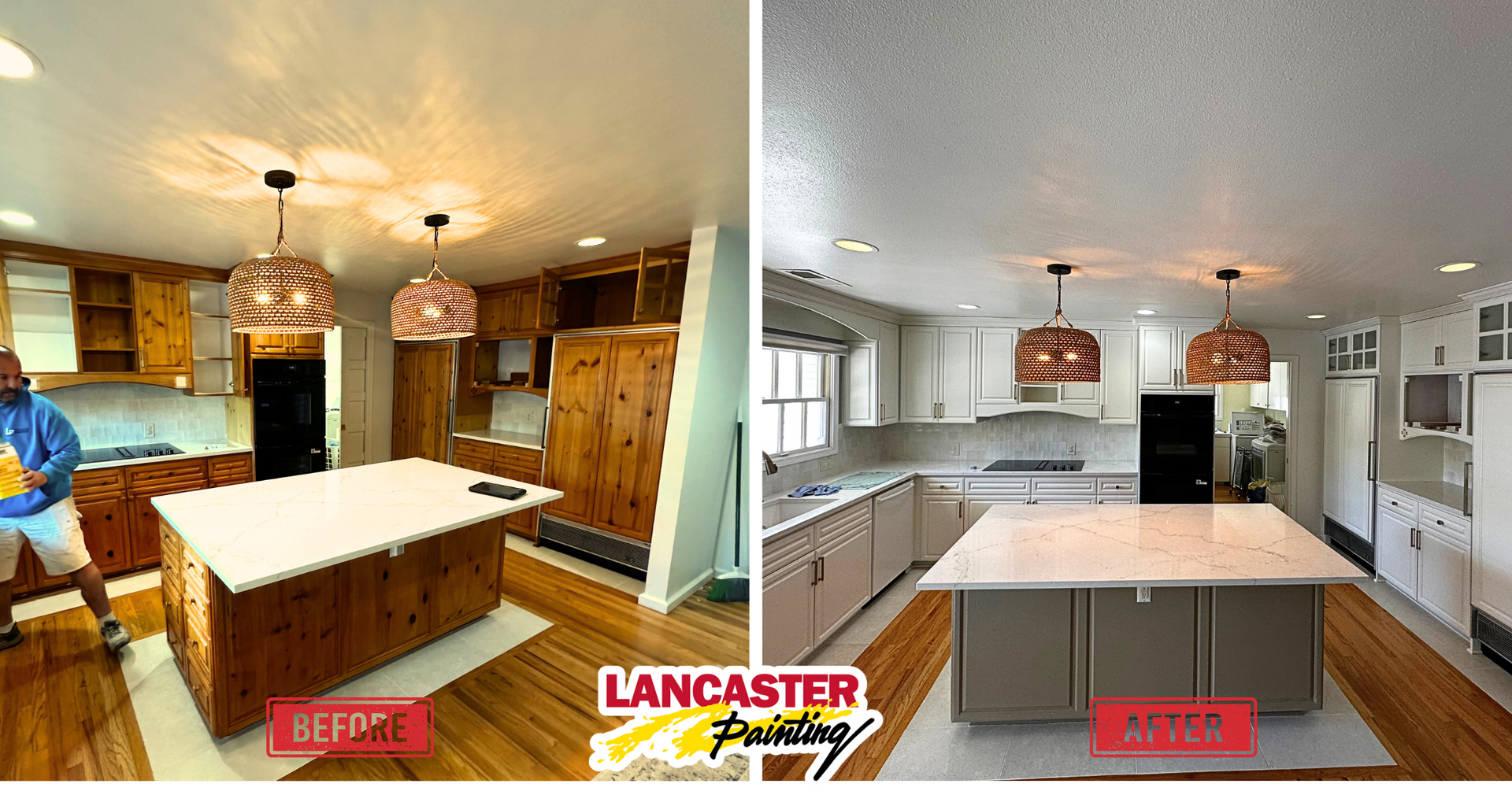
This is especially true for cabinets and detailed surfaces where the finish needs to hold up to daily use.
The Bigger Picture
Most paint problems are not caused by the paint itself. They come from shortcuts in the process.
When everything is done right, the result feels clean, smooth, and intentional. It looks like it belongs in your home, not like it was rushed.
If you’re investing in painting, the goal should not just be a new color. It should be a finish that holds up, looks consistent, and actually elevates your space.