
Last Updated: September 22, 2026
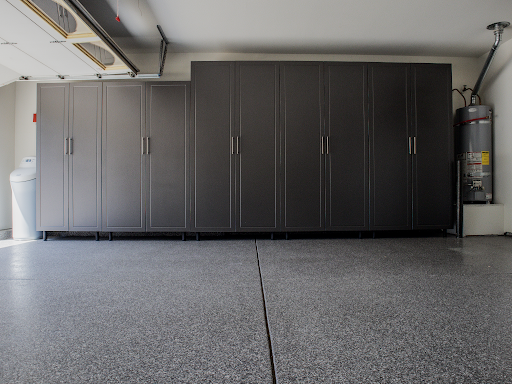
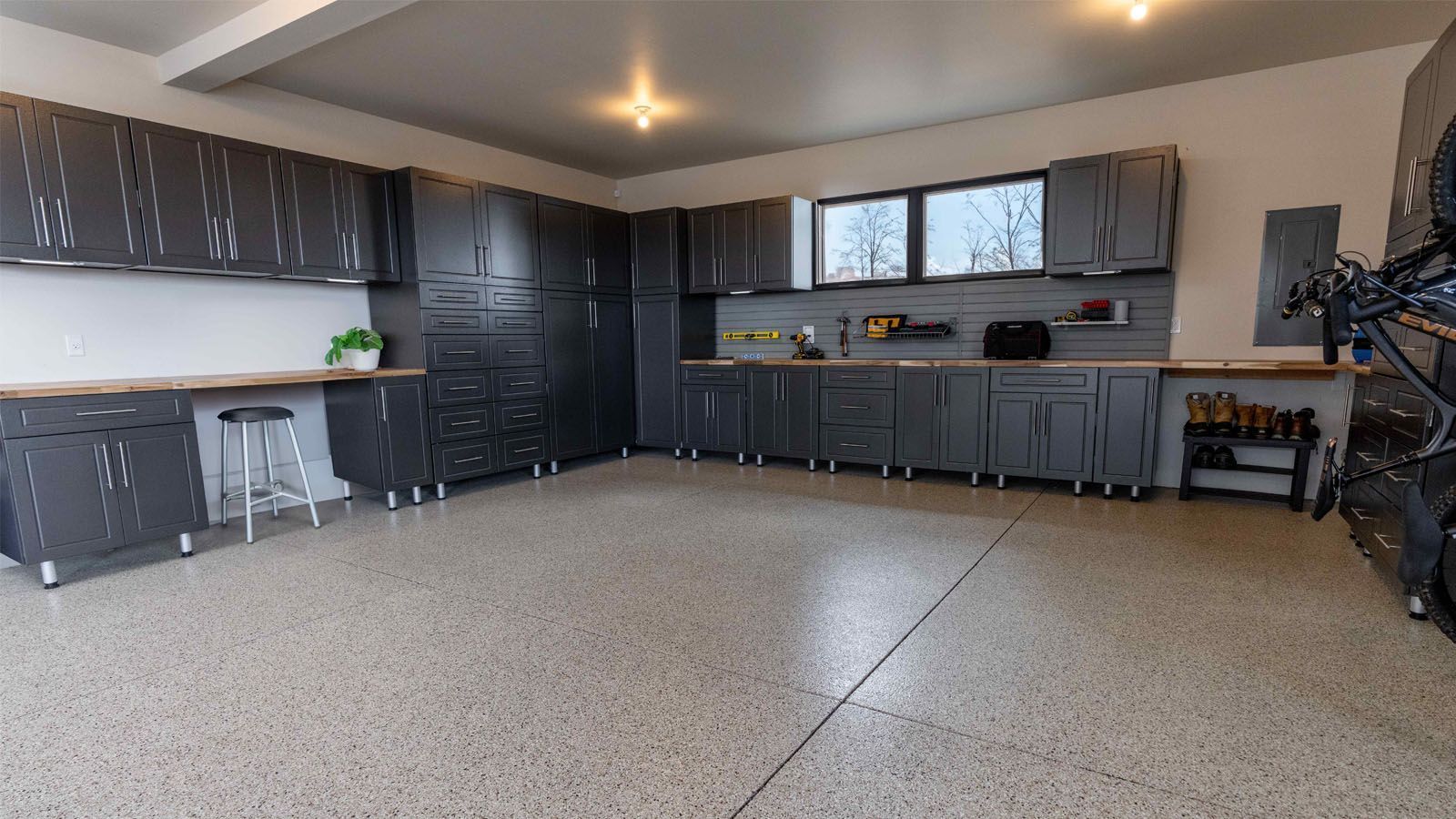
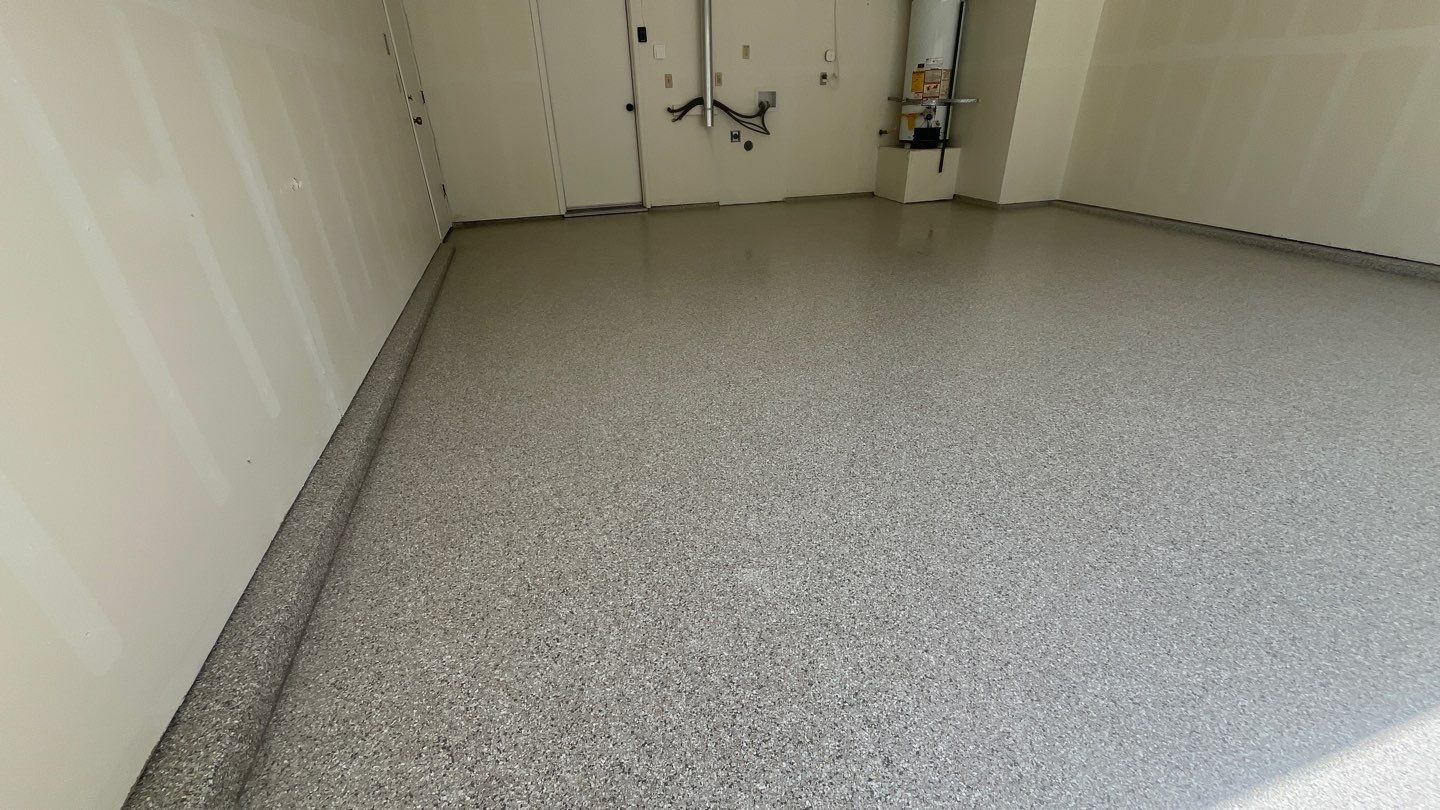
Here in the Central Valley concrete floors usually take a beating. Whether it’s the extreme temperatures, the UV exposure, the chemicals, the moisture, or the high traffic, these can all potentially damage the concrete. That is why a quality floor concrete coating is necessary because it will protect your concrete while also enhancing its appearance. And, although epoxy has been a popular choice for years, polyurea has become the preferred solution for garage floors, patios, service areas, offices, shops, production areas, schools, clinics, restrooms, and more because of its superior durability, flexibility, and performance.
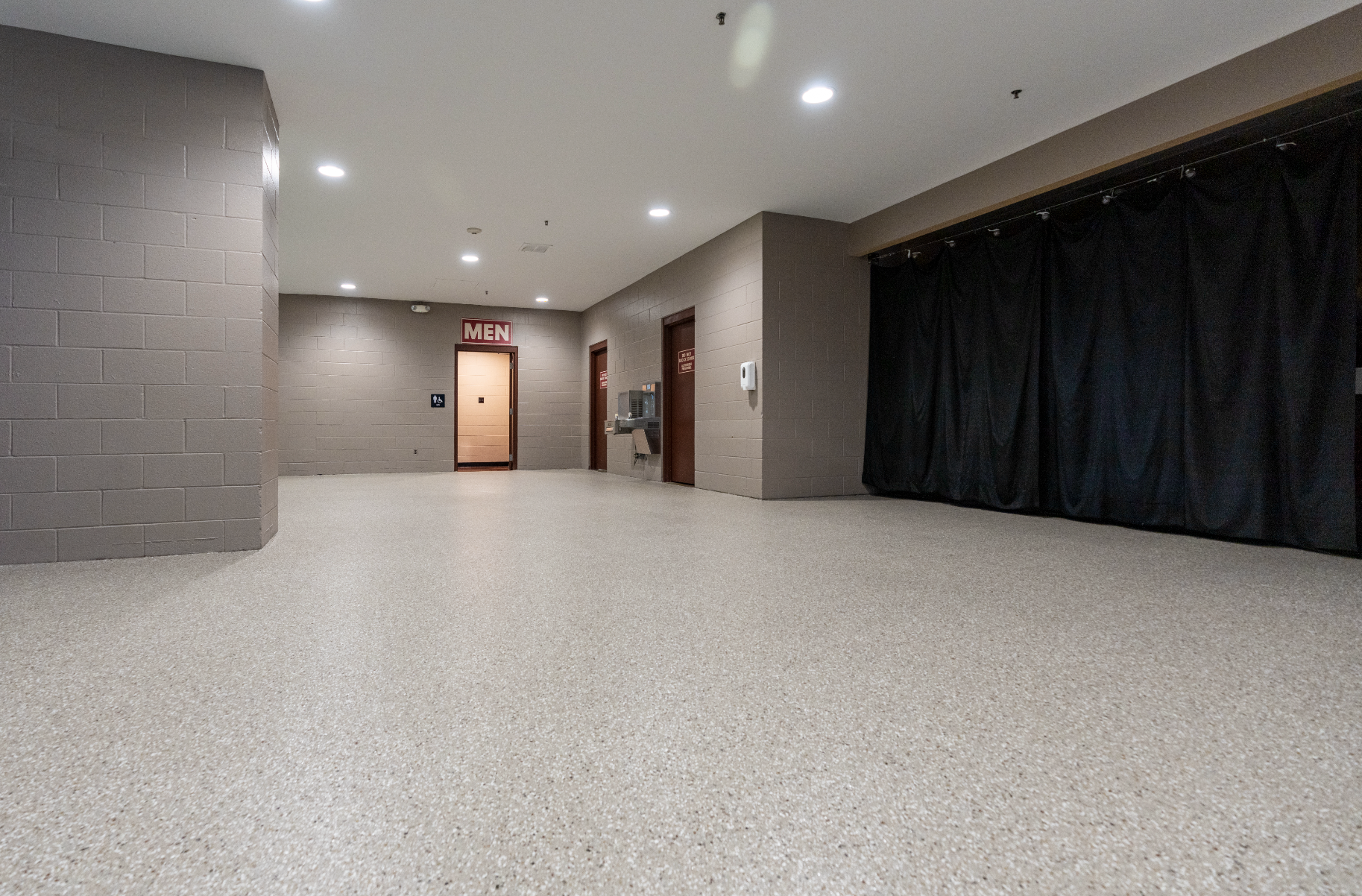
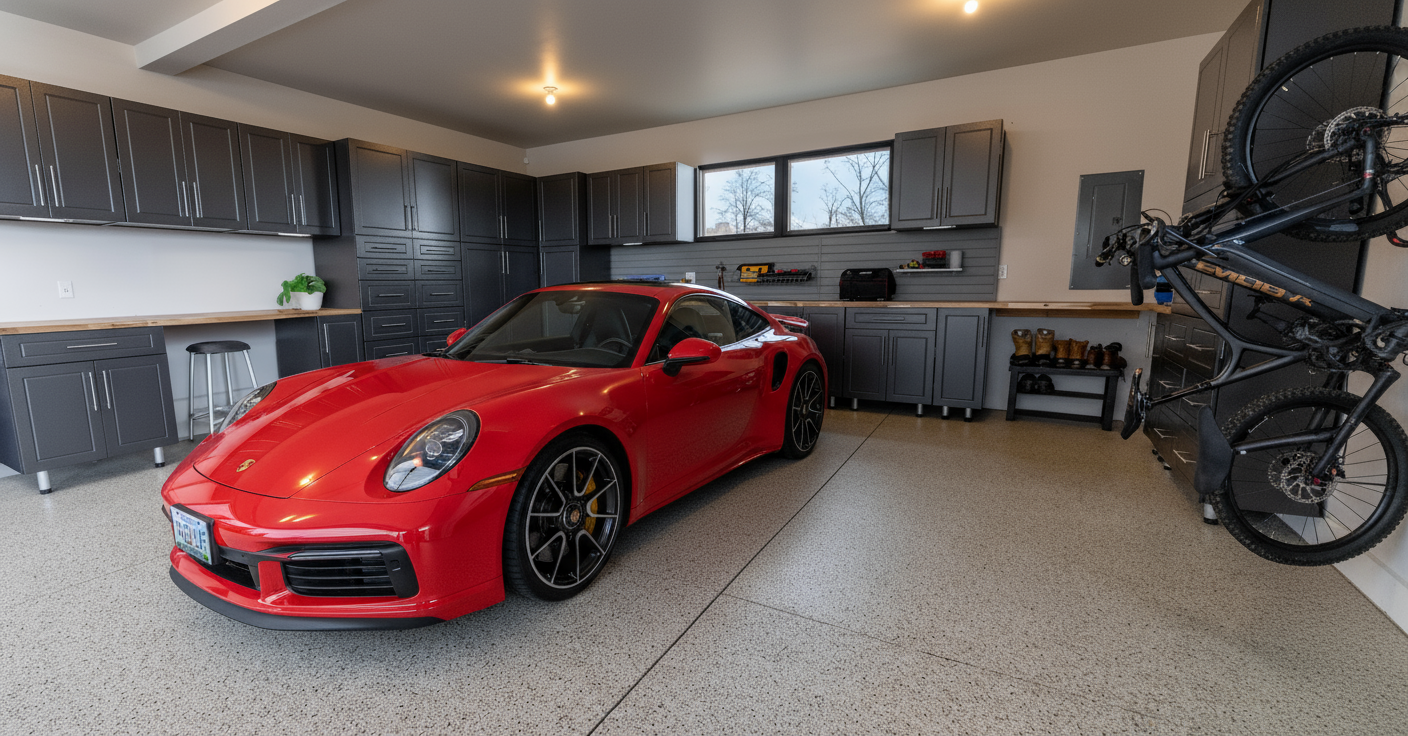
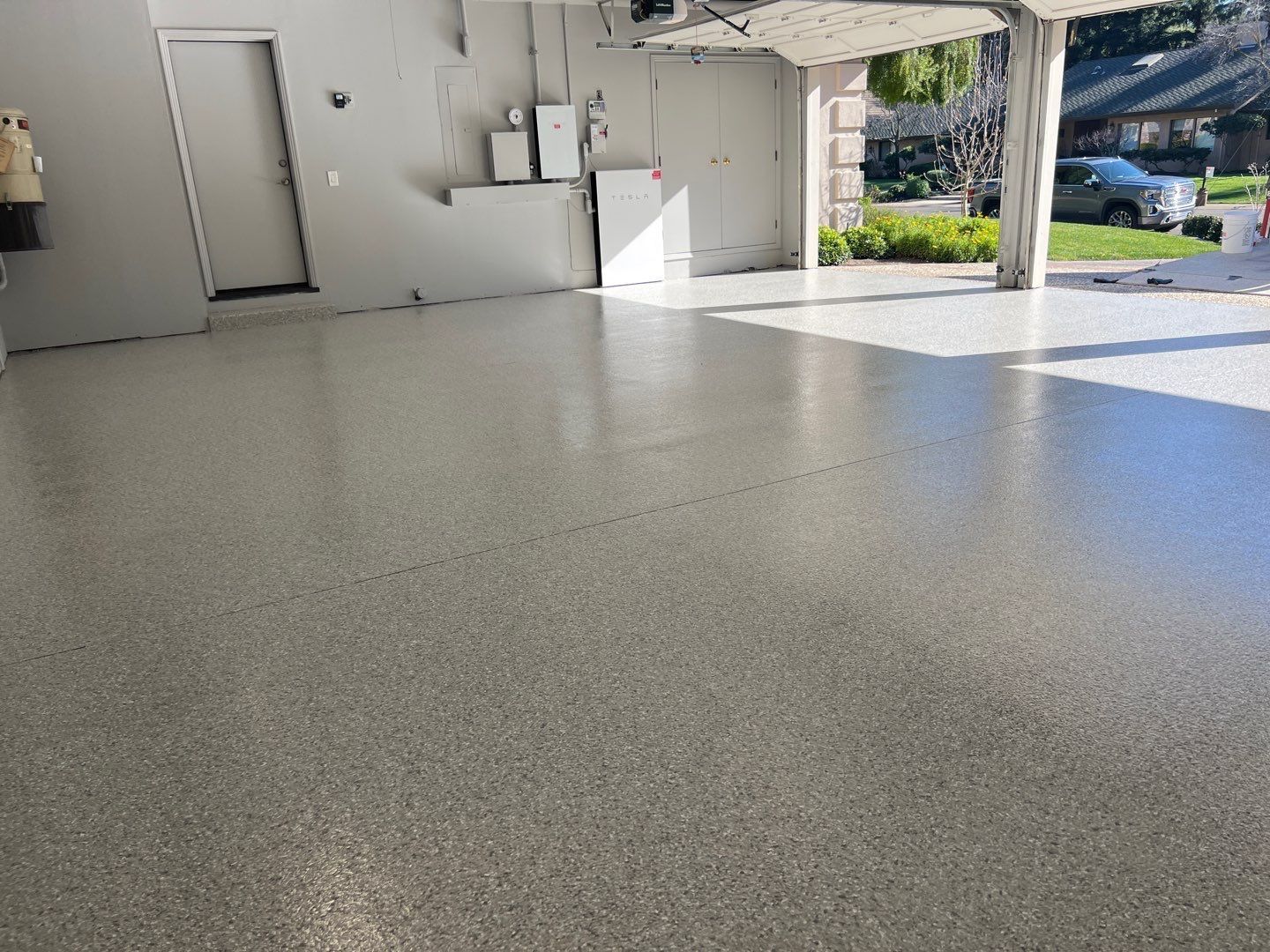
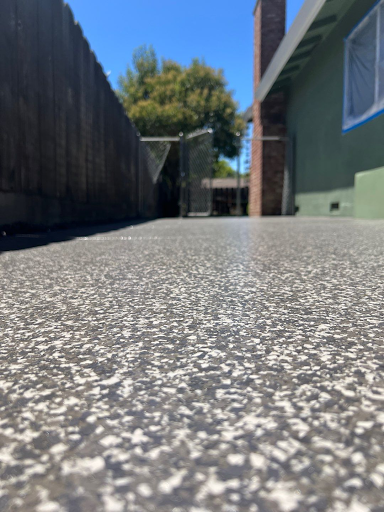
Why Polyurea Floor Coatings Protect Your Concrete
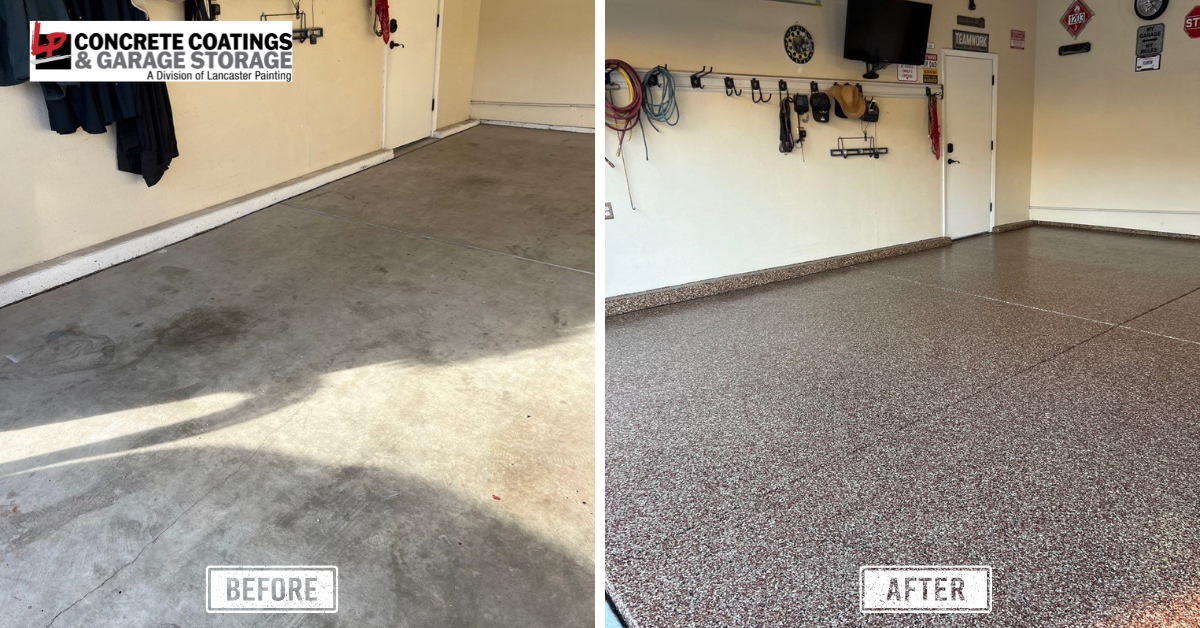
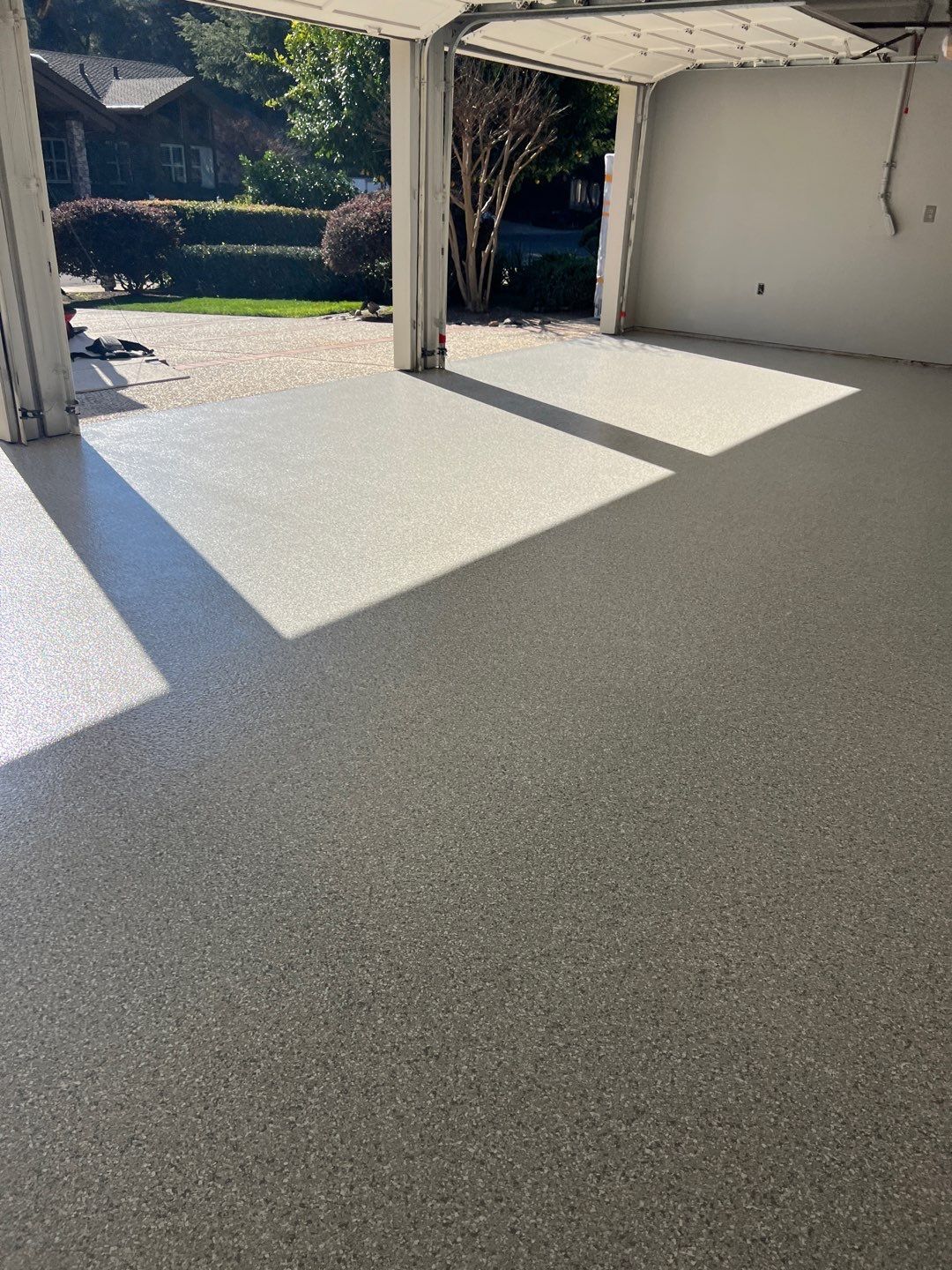
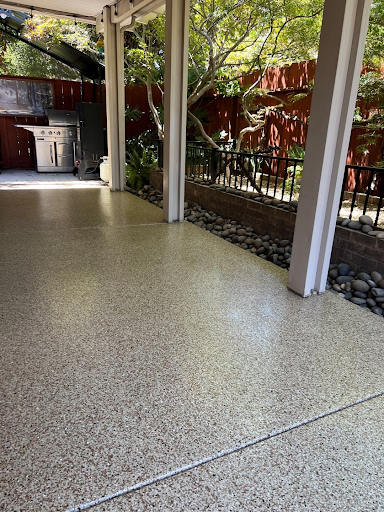
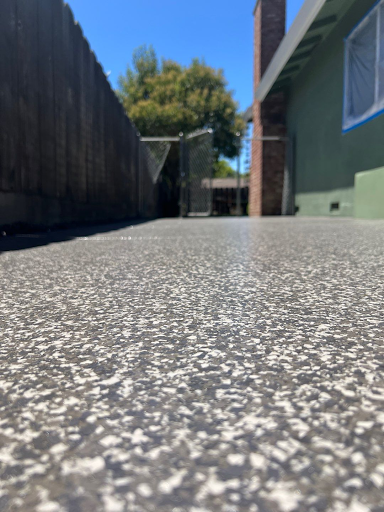
Concrete is naturally porous, allowing moisture, oil, chemicals, and other contaminants to penetrate the surface over time. A polyurea floor coating forms a seamless, durable barrier that helps protect your concrete from stains, abrasion, chemical spills, UV exposure, and everyday wear while extending the life of your floor.
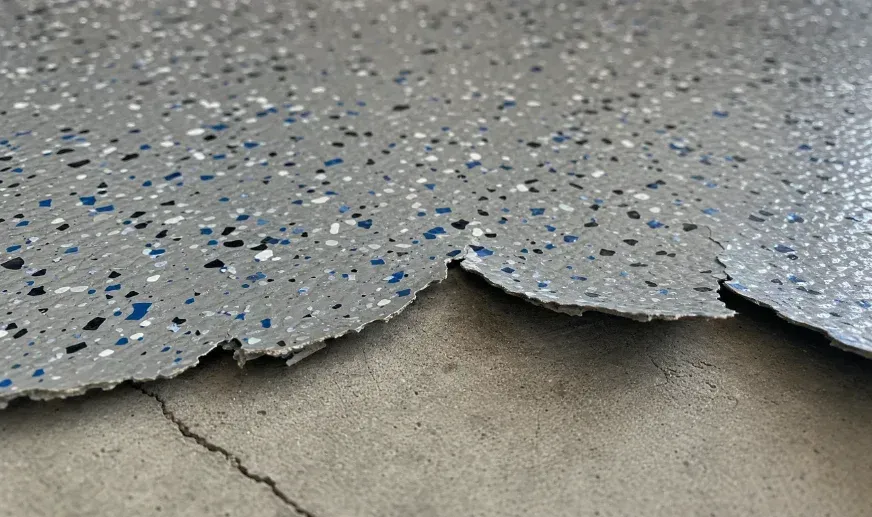
Unlike rigid epoxy coatings, polyurea remains flexible as concrete naturally expands and contracts with seasonal temperature changes. This flexibility helps reduce cracking, chipping, and coating failure, making it an excellent choice since intense summer heat puts added stress on concrete surfaces. However, it's important to understand that we cannot stop the concrete slab itself from moving. If the concrete continues to naturally shift over time, cracks may return.
Polyurea vs. Epoxy: What's the Difference?
While both coatings protect concrete, polyurea offers several advantages over traditional epoxy.
Epoxy limitations include:
- Can become slippery when wet
- May release strong odors and VOCs during installation
- More likely to crack or chip as concrete shifts
- Can yellow or fade from UV exposure
- Typically requires 5–7 days to cure before it reaches full strength
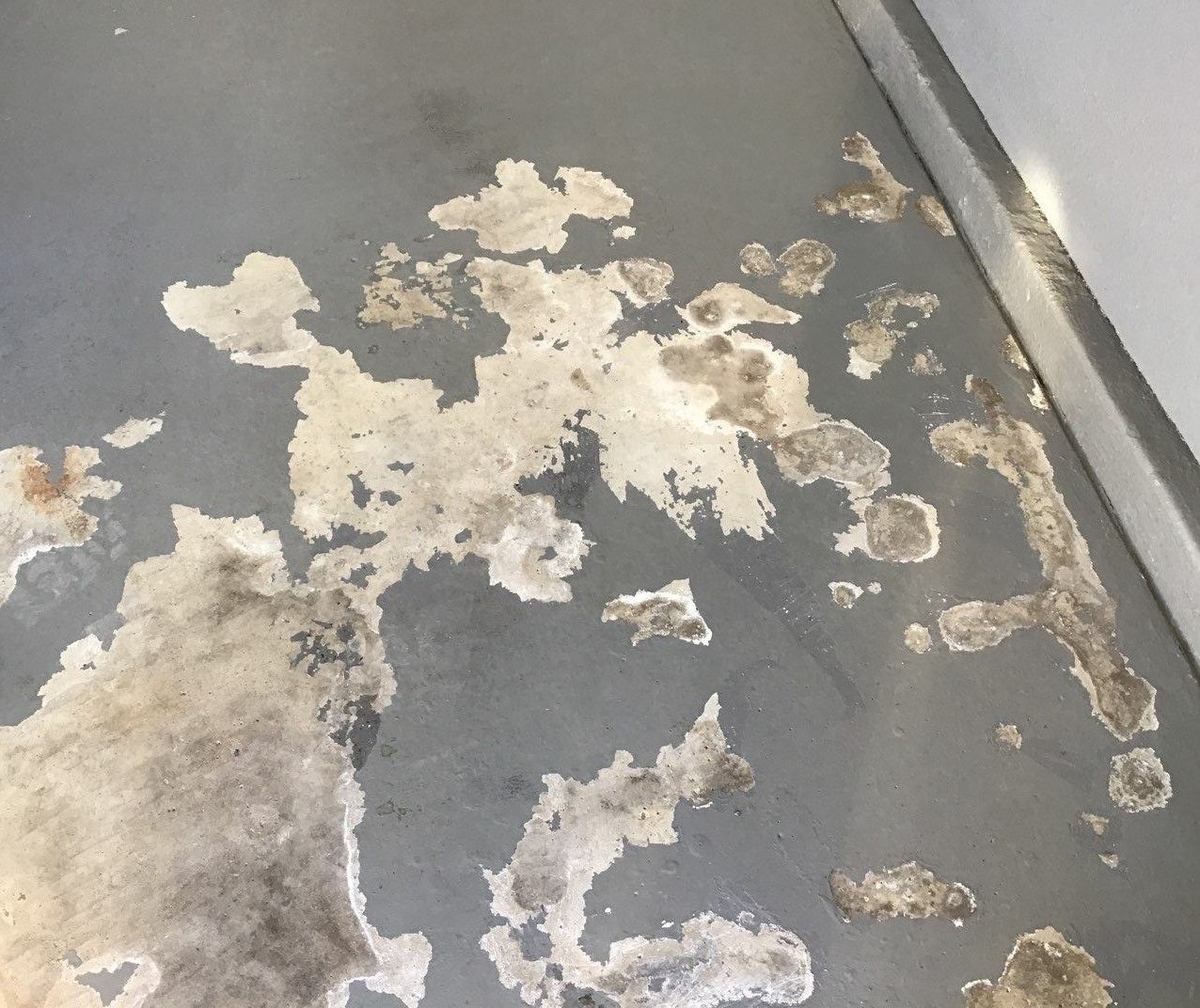
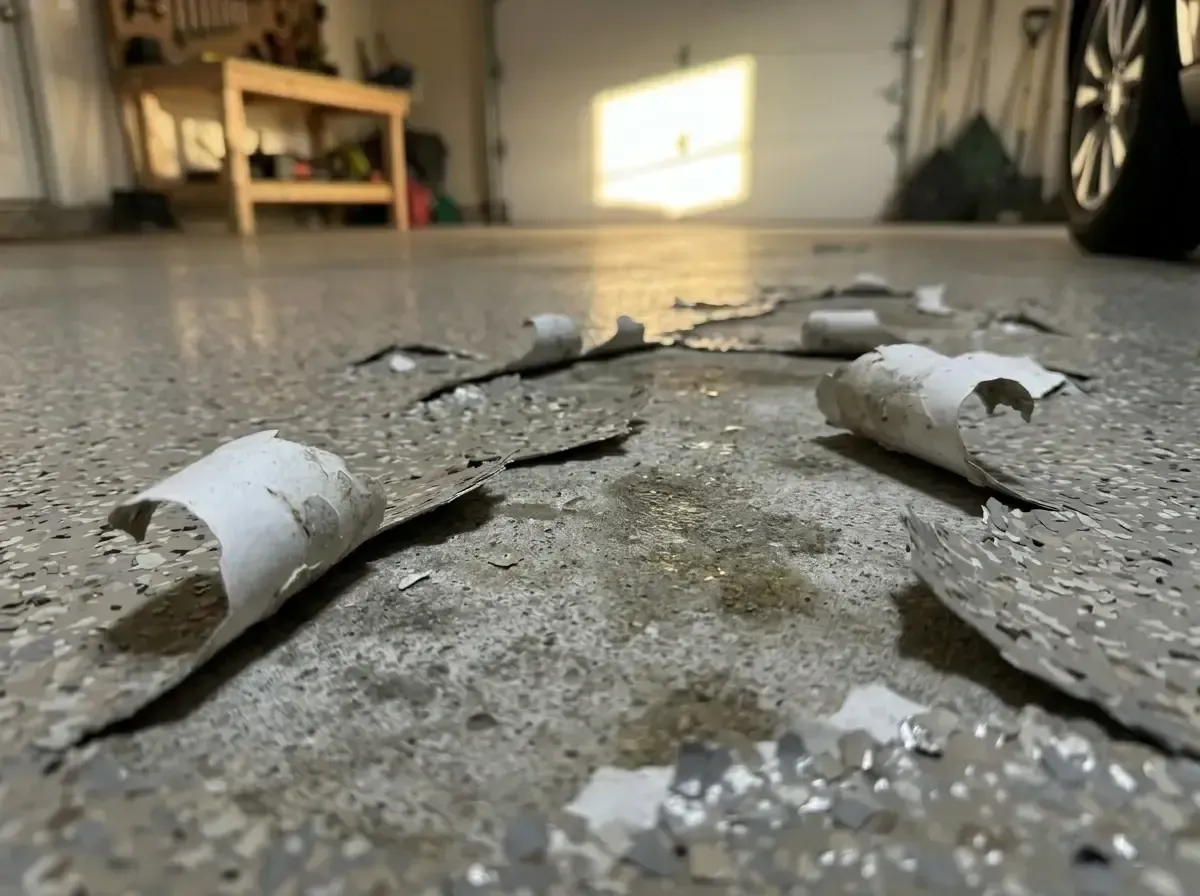
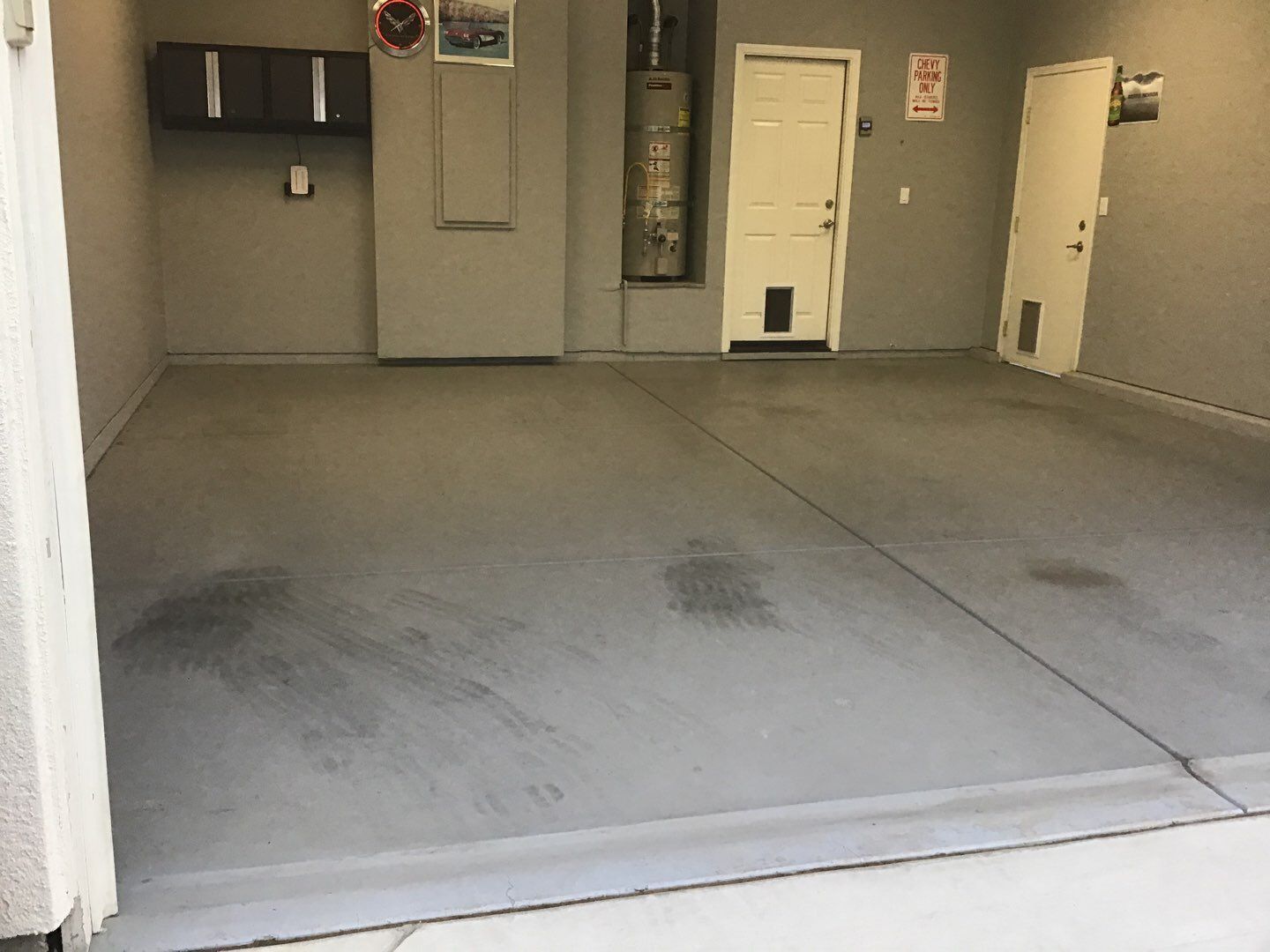
For home or business owners looking for a durable, low-maintenance floor, epoxy might not be the answer, but polyurea could surely be.
Benefits of Polyurea Floor Coatings include:
- Outstanding durability against impacts and heavy traffic
- Excellent UV resistance that prevents fading and yellowing
- Fast cure times of 1-2 days
- Superior resistance to oil, chemicals, and road salts
- Flexibility that moves with concrete
- Easy cleaning and low maintenance
Is a Polyurea Floor Coating Worth It?
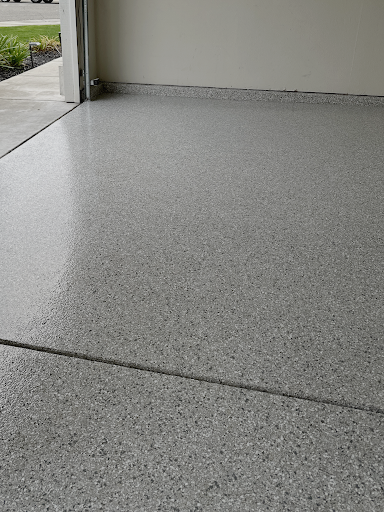
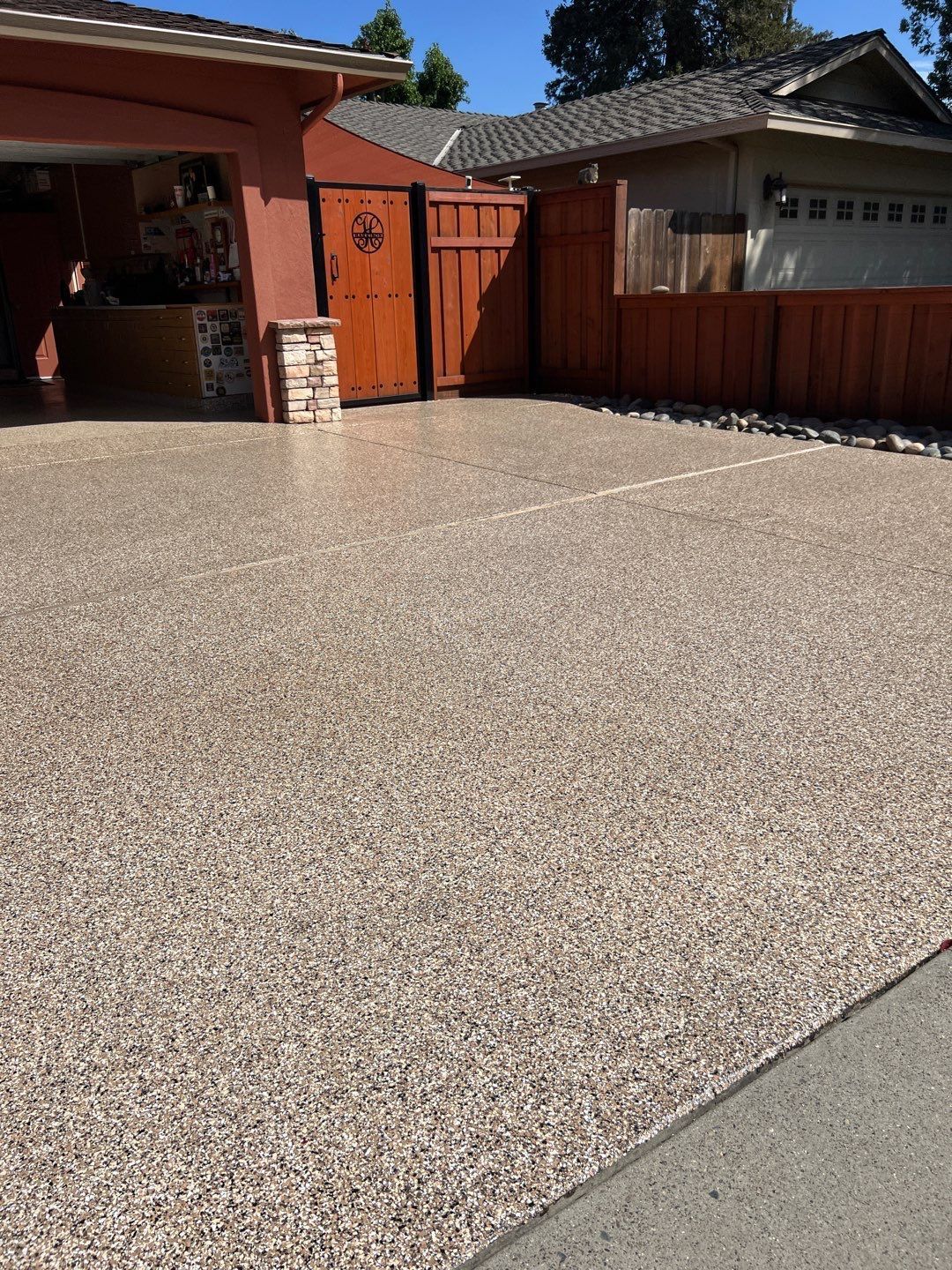
If you're looking for a floor coating that delivers long-term protection and a lasting enhanced appearance, polyurea is an excellent investment. Its durability, fast cure time, and resistance to everyday wear make it a superior choice over traditional epoxy for residential and commercial projects in California's Central Valley.
Frequently Asked Questions
Is polyurea better than epoxy?
Yes. Polyurea offers greater flexibility, faster curing, and longer-lasting durability, along with many other benefits.
How long does a polyurea floor last?
With professional installation and proper maintenance, a polyurea floor coating can provide many years of dependable performance.
Does polyurea crack like epoxy?
Polyurea is much more flexible than epoxy, allowing it to move with the concrete and reducing the risk of cracking, chipping, or peeling.
Is polyurea resistant to oil and chemicals?
Yes. Polyurea protects concrete from oil, gasoline, brake fluid, road salts, fertilizers, and many other common floor contaminants.